2. Improved Places Search CapabilityThe search bar will now support searching for the business’ name, as well as their address.
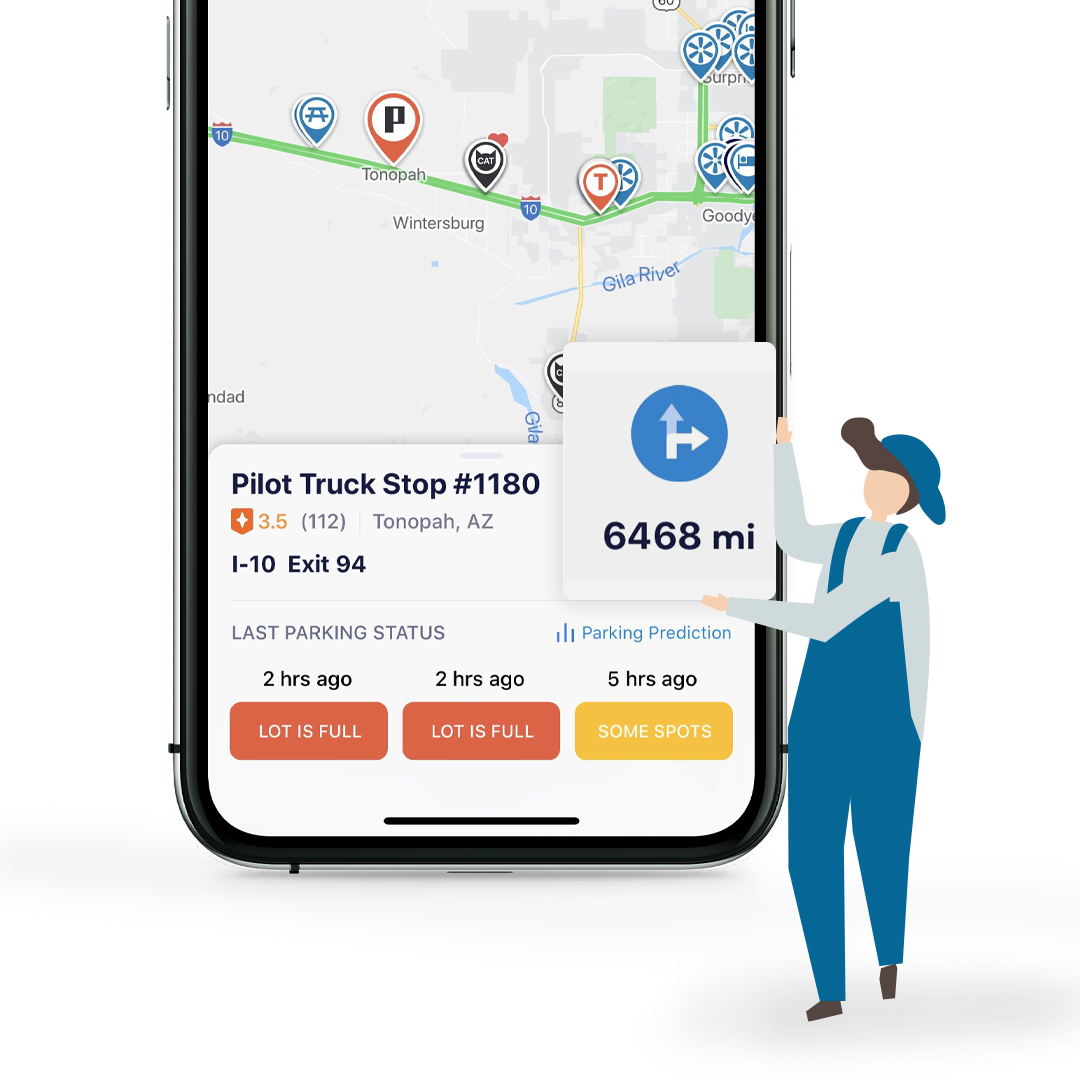
3. Bug FixesA few users reported the mile distance from location isn’t displaying correctly. Rest assured this is now completely fixed.
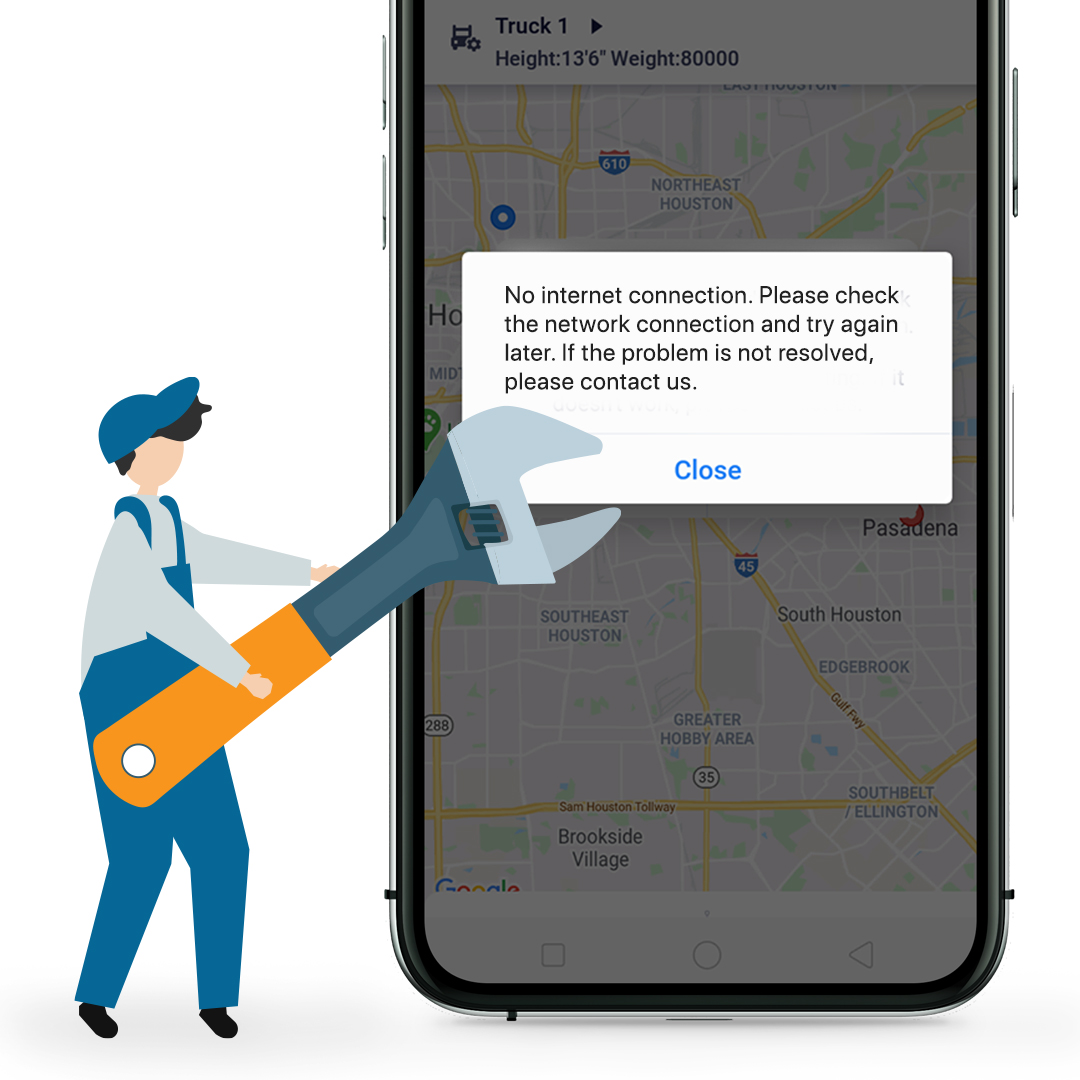
Some users are also reported seeing “no internet connection” despite being connected to the internet. This is a known bug where we’ve implemented some solutions in this patch. Fingers crossed it will be resolved for those affected.
Hope you guys enjoy these. More feature updates in the pipeline for the next release cycle! If you have any suggestions please let our team know at community@truckerpath.com, we’re actively looking for user suggestions!


Lease Purchase Trucking [p]If you're a company driver, lease purchase trucking is a way for you to become an owner operator and eventually be your own boss, but consider all the factors before signing on. [/p]
[h2] Lease Purchase Trucking[/h2]
[p] You might consider a lease purchase trucking agreement if you've been a company driver for a few years now and you like the idea of <a href="https://truckerpath.com/blog/how-to-become-an-owner-operator/">becoming an owner operator</a> in order to earn more and create a more flexible schedule, right? We don't blame you! [/p]
[p] The road to becoming an owner operator and running your own trucking company can be a bumpy one (though not nearly as bad as some of the California interstates) but as long as you understand the costs and have a plan, you can indeed succeed! [/p]
[h2] What is Lease Purchase Trucking? [/h2]
[p] Lease purchase trucking is when a carrier decides to become an owner operator by making payments on a truck leased to a trucking company. This end goal is to pay off the truck, generate a reputation for being a reliable carrier and then once the truck payments and term agreement expire, you can venture out to grow your <a href="https://truckerpath.com/blog/how-to-start-a-trucking-company/">trucking company</a>. [/p]
[p] Lease truck payments can range anywhere from $300 to upward of $1,200 per week depending on if you choose a used or new truck and the trucking company you sign on with. [/p]
[h2] Things to Consider in a Lease Purchase [/h2]
[p] Trucks, like any piece of equipment, will require repairs and the costs to cover are the responsibility of the owner-operator. Truck repair costs can be up to $17,000 annually for an average OTR truck driver logging 100,000 miles. Therefore you must be extra cautious when considering a used truck lease purchase. [/p]
[p]If the truck is used, be certain to review the repair records of the truck and double-check if another driver previously ran the truck as a lease. These might seem like common sense but being thorough in your examination of a used truck can save you from making a potentially disastrous mistake. [/p]
[p]When you agree to a truck lease purchase, the company you sign with will ultimately decide your revenue because they decide your loads. Make certain that there is ample freight available and check load boards like <em>Truckloads</em> for regions and routes that they want you to haul through to see if there are enough loads to haul. [/p]
[p] Keep in mind which <a href="https://truckerpath.com/blog/types-of-truck-freight/">type of truck freight</a> equipment you will be hauling. On average, flatbed loads are the highest paying truck load with freight often being oversized heavy machinery or other large goods for construction. [/p]
[p] While most drivers haul dry van, consider the type of truck equipment you'll be using and if the company has the loads for it regularly or not. This can have a tremendous impact on your success as you transition for lease trucking into running your own trucking company. [/p]
[h2] Use Truckloads Free Load Board [/h2]
[p] As we mentioned before, you can use our free load board <em>Truckloads</em> to search for loads based on location and equipment type to double-check that there are ample loads available in a given area and for a specific freight type. Once you finish paying off your leased truck and have your <a href="https://truckerpath.com/blog/trucking-authority/">own trucking authority</a> without being signed to a company, you can use Truckloads to help you find the perfect loads to fit your needs. [/p]
[video id=snyBYpnuhWw]
[button text="Try Truckloads for Free" href="https://truckerpath.com/truckloads/free-load-board/?utm_source=Blog&utm_medium=truckfreight&utm_campaign=Aug10" width="250px"]
Industry Update - June 2, 2020 <h2></h2>
<h3></h3>
<a href="https://truckerpath.com/uploads/2020/06/b21.jpg"><img src="https://truckerpath.com/uploads/2020/06/b21-300x156.jpg" alt="" width="300" height="156" class="alignleft size-medium wp-image-4991" /></a>
<h3><strong>DOT to Distribute 2.1 Million Masks to Truckers</strong></h3>
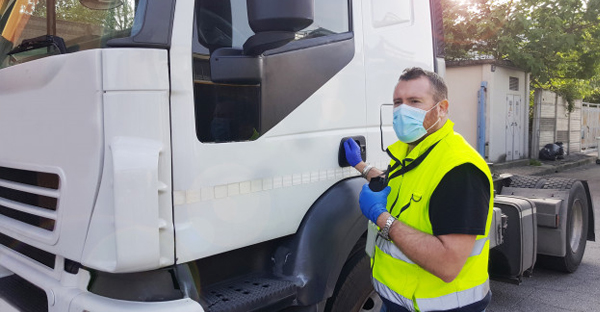
The U.S. Department of Transportation will distribute around 2.1 million face masks to truck drivers. This is part of a larger initiative to distribute masks to transportation workers across the country.
“Transportation workers are on the frontlines of keeping our transportation systems operational during this public health emergency and their wellbeing and safety is paramount,” said Transportation Secretary Elaine Chao.
DOT announced that the masks will be sent out over the coming weeks through the U.S. Postal Service. The breakdown of masks by transportation sector is as follows:
<ul>
<li>Mass transit and passenger rail – 4.8 million</li>
<li>Aviation – 3.8 million</li>
<li>Maritime – 2.4 million</li>
<li>Freight rail – 2.2 million</li>
<li>Highway and motor carrier – 2.1 million</li>
<li>Pipeline systems – 258,000</li>
</ul>
For detailed distribution locations and current dates of distribution, please visit: <a href="http://www.fmcsa.dot.gov/masks">www.fmcsa.dot.gov/masks</a>
<h2></h2>
<h2></h2>
<a href="https://truckerpath.com/uploads/2020/06/b19.jpeg"><img src="https://truckerpath.com/uploads/2020/06/b19-300x156.jpeg" alt="" width="300" height="156" class="alignleft size-medium wp-image-4988" /></a>
<h3><strong>Volumes Now Up 10% vs Last Year</strong></h3>
<a href="https://www.freightwaves.com/news/volumes-fall-week-over-week-but-now-up-10-year-over-year">Outbound tender volumes are benefiting greatly from the reopening of the economy</a> and a release of pent-up consumer demand. Supply dynamics are taking longer to adjust and capacity remains loose. While rates are coming off a depressed base, spot rates have surged to $1.47 per mile and have increased in the vast majority of lanes.
<h2></h2>
Volumes should continue to be supported by most of the states reopening, continued plugging of the income gap by generous unemployment benefits and stimulus, auto plants reopening, and produce seasons kicking into gear.
<h2></h2>
<h2></h2>
<a href="https://truckerpath.com/uploads/2020/06/b20.jpeg"><img src="https://truckerpath.com/uploads/2020/06/b20-300x156.jpeg" alt="" width="300" height="156" class="alignleft size-medium wp-image-4989" /></a>
<h3><strong>Blinking Lights Cut Tanker-Truck-Crashes By Nearly 34%</strong></h3>
As part of their safety efforts, Groendyke Transport installed $150 blinking amber lights to the back of their tanker trucks. They reported a 33.7% drop in rear-end collisions over a 31-month period, according to company officials. In addition, there were zero rear-end collisions at railroad crossing during a test period of one year and seven months.
<h2></h2>
The Groendyke Transport fleet currently has 900 trailers with the lights after almost three years of testing and now has <a href="https://beta.regulations.gov/document/FMCSA-2018-0223-0036">permission from FMCSA</a> to use them.
<h2></h2>
The cost of the strobe and installation is about $150.
<h2></h2>
<h2></h2>
<h2></h2>
<h4>By Aldous Aldwin</h4>
<h3></h3>
<h3></h3>
COVID19: State of Trucking <h4>By Trucker Path</h4>
<h3></h3>
<h3></h3>
<img src="https://truckerpath.com/uploads/2020/05/b5.png" alt="Trucker Path COVID19" />
<h3><strong>Trucker Path COVID-19 Initiatives</strong></h3>
The Trucker Path team is actively monitoring the spread of the Coronavirus (COVID-19) and preparing resources to assist truckers as they help keep America running.
<h2></h2>
In addition to providing updates on the Trucker Path <a href="https://www.facebook.com/TruckerPath/">Facebook Page</a>, a dedicated COVID19 thread has been created in the official Trucker Path forum.
<h2></h2>
A COVID-19 Tracker has been introduced on the Trucker Path mobile app which is available on <a href="http://bit.ly/truckerpathios">iOS</a> and <a href="http://bit.ly/truckerpathdroid">Google Play</a>. This feature will enable truckers to easily check the spread of the Coronavirus and see insights both for America and abroad, with live updates on infections and recoveries.
<h2></h2>
Along side the COVID-19 Tracker is the COVID-19 Navigation Tool which has been integrated on the Turn-by-Turn feature to track the latest information regarding reported cases and infected areas and provide alternate routing.
</a>
<h2></h2>
<h2></h2>
<img src="https://truckerpath.com/uploads/2020/05/b7.jpeg" alt="FMCSA" />
<h3><strong>FMCSA Emergency Declaration to be extended until June 14</strong></h3>
The agency's COVID-19 Emergency Declaration has been extended until June 14. The original declaration was set to expire last Friday.
Full announcement can be found <a href="https://www.fmcsa.dot.gov/emergency/extension-expanded-emergency-declaration-no-2020-002-under-49-cfr-ss-39025">here</a>.
<h2></h2>
FMCSA’s emergency declaration provides for regulatory relief for commercial motor vehicle operations providing direct assistance supporting emergency relief efforts intended to meet immediate needs for:
Medical supplies and equipment related to the testing, diagnosis and treatment of COVID-19
Supplies and equipment necessary for community safety, sanitation, and prevention of community transmission of COVID-19 such as masks, gloves, hand sanitizer, soap and disinfectants
Food, paper products and other groceries for emergency restocking of distribution centers or stores
Immediate precursor raw materials — such as paper, plastic or alcohol—that are required and to be used for the manufacture of essential items
Fuel
Equipment, supplies and persons needed to establish and manage temporary housing or quarantines
Persons designated by federal, state or local authorities for medical, isolation, or quarantine purposes
Persons necessary to provide other medical or emergency services
</a>
<h3></h3>
<h2></h2>
<img src="https://truckerpath.com/uploads/2020/05/b6.jpeg" alt="CDC" />
<h3><strong>CDC Guidelines for Long Haul Truck Drivers</strong></h3>
The Center for Disease Control and Prevention has recently updated guidelines for long haul truck drivers in the wake of the COVID-19 pandemic.
Here are some prescribed steps to avoid contamination and reduce spread.
<ul>
<li>Notify your supervisor and stay home if having symptoms.</li>
<li>Make a plan with your employer and your family as to what to do if you become sick while you’re on the road. Include where to stop, where and how to seek medical advice and treatment, and plans for freight delivery.</li>
<li>Limit close contact with others by maintaining a distance of at least 6 feet when possible.</li>
<li>CDC recommends wearing cloth face coverings in public settings where other social distancing measures are difficult to maintain, especially in areas of significant community-based transmission. </li>
<li>Clean and disinfect frequently touched surfaces on a routine basis.</li>
<li>Practice proper hand hygiene. This is an important infection control measure. Wash your hands regularly with soap and water for at least 20 seconds, or use an alcohol-based hand sanitizer containing at least 60% alcohol.</li>
<li>Avoid touching surfaces often touched by others when outside of the cab.</li>
<li>Do not share personal protective equipment (PPE) (such as vests, safety glasses, hard hats),tools, phones, radios, or other personal items.</li>
<li>Use pre-qualified truck stops or hotels identified by your employer as having appropriate COVID-19 protections.</li>
<li>When team driving or ride-alongs are required, wear cloth face coverings inside the truck and avoid sharing bedding in the sleeper berth.</li>
</ul>
Full guidelines can be viewed <a href="https://www.cdc.gov/coronavirus/2019-ncov/community/organizations/long-haul-trucking.html">here</a>.